
IHG wanted to support an already capable team as they moved into the next stage of how they worked together.
The ambition was to create greater confidence around decision-making, encourage more ownership within the team and help people stretch conversations further commercially.
Alongside that sat some practical priorities: building confidence in client conversations and negotiations, creating more space for healthy challenge and giving people approaches they could take back into their roles straight away.
The team already had strong capability and experience.
The opportunities they identified were less about skills and more about how those strengths translated day to day. Decisions sometimes travelled upwards when they could sit within the team. Confidence varied depending on the situation. Feedback happened inconsistently. People knew what good looked like individually but wanted greater clarity around how they work and succeed together.

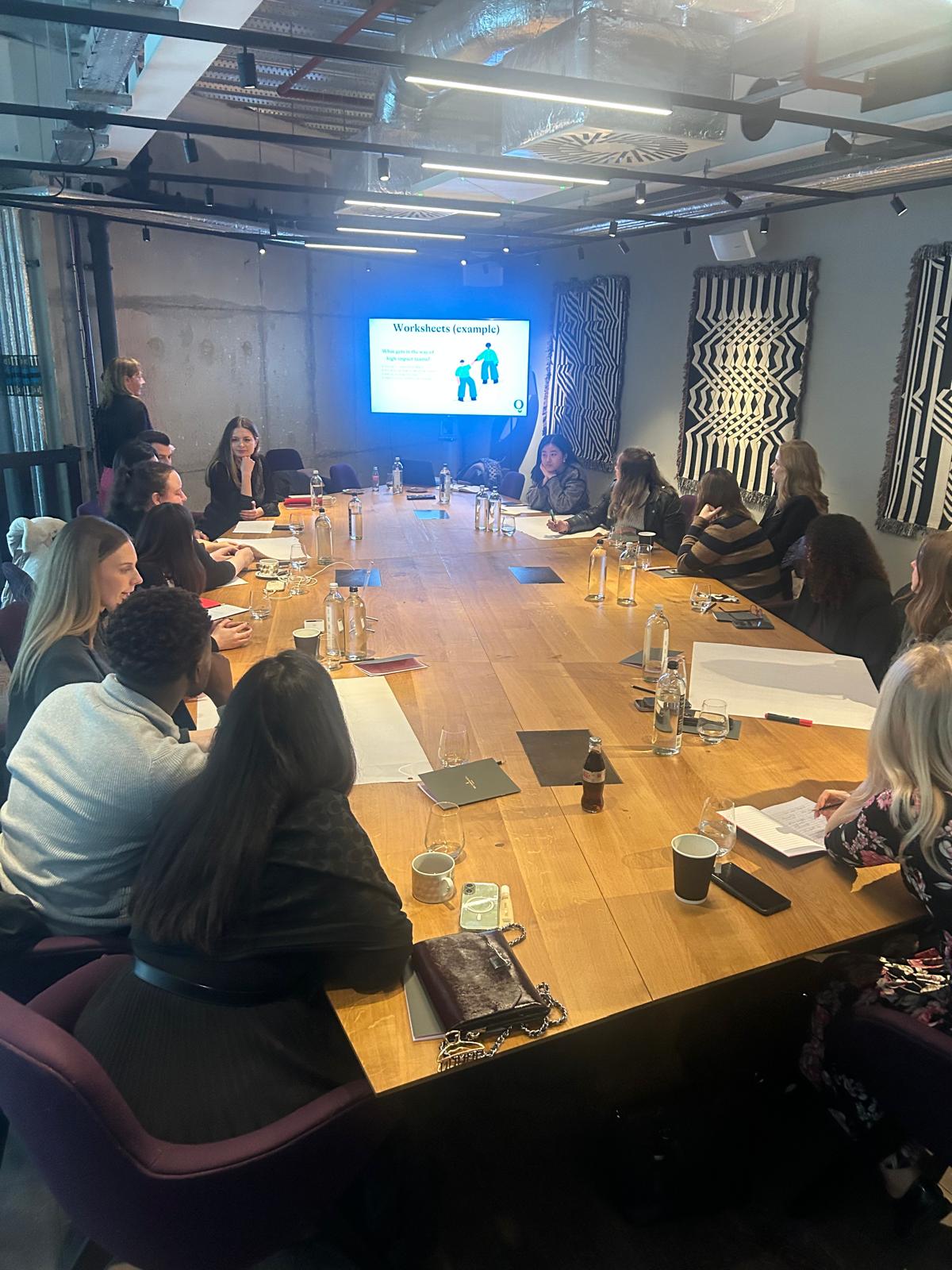
We designed a highly interactive half-day session combining team development, communication and commercial decision-making.
Everything was built around real scenarios and the moments that matter most in sales.
Individual impact and confidence
The session opened with reflection and discussion through Impact Blueprints.
People explored:
This created a shared language around strengths and made development feel grounded and relevant.
We then shifted from individual contribution into collective performance.
Using team mapping and facilitated discussion, the group explored:
The discussion helped the team define clearer expectations around ownership, challenge and how they want to work together.
The commercial section focused on helping the team identify opportunities earlier and extend conversations more effectively.
Using real examples and scenario practice, we worked on:
Simple frameworks gave people practical ways to navigate challenge and hold commercial conversations more effectively.
The final section focused on feedback as a performance tool.
The team explored:
The session closed with commitments and practical actions for the team to carry forward.
By the end of the session, people spoke more openly about where they hold back and where they rely on certainty before acting.
The team identified clearer opportunities to take ownership, challenge thinking earlier, and create momentum without waiting for perfect conditions.
Commercial conversations became less focused on finding the right answer and more focused on asking better questions.
The team left with a stronger shared language around confidence, ownership and impact, alongside clearer ways to apply those ideas in everyday decisions and conversations.
The session connected commercial capability with the day-to-day behaviours that make it easier to apply under pressure.
Working with situations the team recognised created space to test ideas, challenge habits and leave with approaches that felt relevant to the work they do every day.