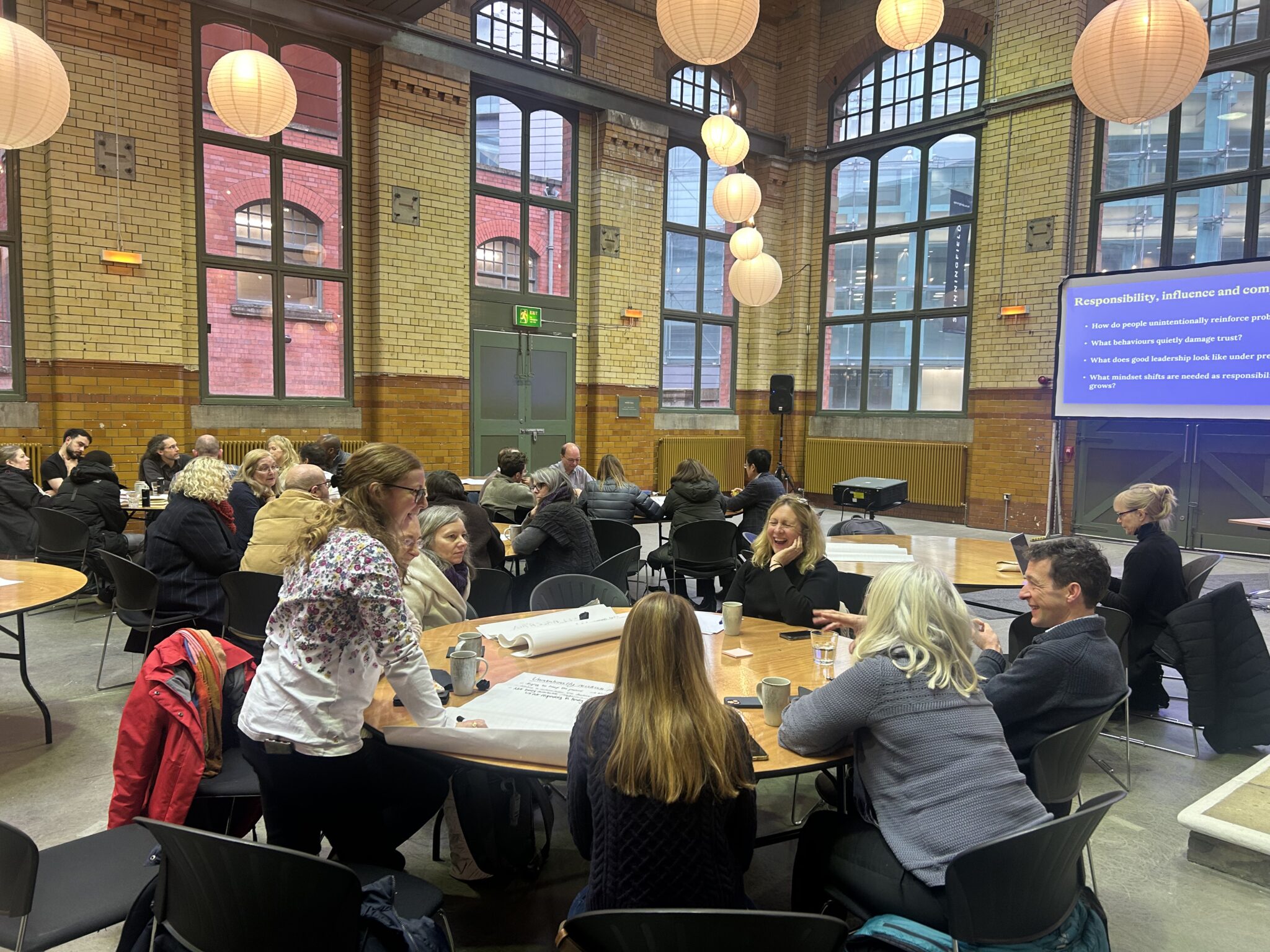

The department wanted to create dedicated space to reflect on how people work together and create greater clarity around the culture they want to build moving forward.
As a large department operating within a wider university structure, there were naturally different perspectives, experiences and priorities across the group. Alongside future planning, there was an opportunity to step back from day-to-day activity and create more shared understanding around expectations, behaviours and ways of working.
The aim was to define a set of values that felt meaningful, reflected the department’s ambitions, and could support future decision-making and strategic priorities.

The department already had a strong sense of purpose and commitment to both academic excellence and colleague experience.
What became clear through early conversations was that people cared about many of the same things but often described them differently or experienced them through different lenses.
Themes including collaboration, communication, fairness, responsibility, transparency and academic integrity appeared consistently across discussions.
Questions emerged around:
Creating shared language around these themes became an important foundation for the next phase of strategic work.
We designed and facilitated a collaborative values and alignment process to help colleagues contribute to shaping the conversation together.
The programme included:
Throughout the process, the focus stayed grounded and practical.
Alongside defining values, the group explored questions including:
By the end of the programme, the department had created a set of shared values and started translating them into practical expectations and reference points for future work.
The process created greater clarity and stronger shared language across the department.
People developed a more consistent understanding of what matters most and how values can support everyday decisions, behaviours and collaboration.
The work created stronger foundations for:
Most importantly, the department created something that felt owned by colleagues rather than introduced to them.
Values become more useful when people can see themselves in them.
By creating space for reflection, discussion and practical application, the department developed a shared reference point that can continue supporting decisions, priorities and ways of working as the next phase of strategic planning develops.